Less metadata leakage from read requests

Trustless Web3 Infrastructure
Core Tech for aTrustless Web3 Stack
Colibri is a stateless ethereum light client for Ethereum and EVM chains. Cryptographic proofs instead of trusted RPC — access and verify blockchain data in your own process.
Don't trust. Verify! Always!
Scroll to explore
Infrastructure
Our Products
Trustless blockchain access for any application. From verification to privacy to autonomous systems.

Core Verification Infrastructure
Colibri Stateless Client
Trustless Blockchain Access. With Built-in Privacy.
Colibri is a fully verifying stateless ethereum client and trustless light client for Ethereum and EVM-compatible chains. Applications access and validate blockchain data locally using cryptographic proofs, without relying on trusted RPC providers.
Trustless verification of consensus and execution layer
No state sync required (stateless architecture)
Embedded privacy via Pragmatic Adaptive Privacy (PAP)
Local transaction simulation on verified state
Works in mobile, web, and IoT environments
Minimal bandwidth and resource requirements
Only Solution Combining All Three
Trustless verification
Stateless architecture
Integrated privacy
vRPC
RPC Responses You Can Verify.
Blockchain data together with cryptographic proofs. Drop-in replacement for traditional RPC while removing the need to trust infrastructure providers.
Drop-in replacement for traditional RPC
Proof-bound responses
No trust assumptions toward providers
Works with or without local Colibri client
In Development

Transaction Security Agent
Understand and Verify Transactions Before You Sign.
Security and privacy layer that analyzes, simulates, validates, and explains transactions before signing. Ensures users understand transaction effects based on verified state.
Local simulation on verified blockchain state
Detection of malicious or unexpected behavior
Privacy-preserving request handling
AI based transaction simulation analysis
Designed for wallet and dApp integration
In Development
Coming Soon

IoT/Embedded Framework
Blockchain Verification for Constrained Devices.
Framework for integrating trustless blockchain verification into IoT and embedded systems with limited resources and intermittent connectivity.
Ultra-light verification (no full node required)
Optimized for low bandwidth and storage
Offline-capable architecture
Native integration (C / embedded environments)
Coming Soon
Coming Soon

AI Agentic Framework
Trustless Data and Verfication for Autonomous Agents.
Framework that enables AI agents to operate on verifiable blockchain data and execute actions securely with deterministic guarantees.
Verifiable inputs for AI decision-making
On-chain permission and access control
Deterministic and auditable actions
Integration with transaction security layer
Coming Soon
Privacy
Pragmatic Adaptive Privacy
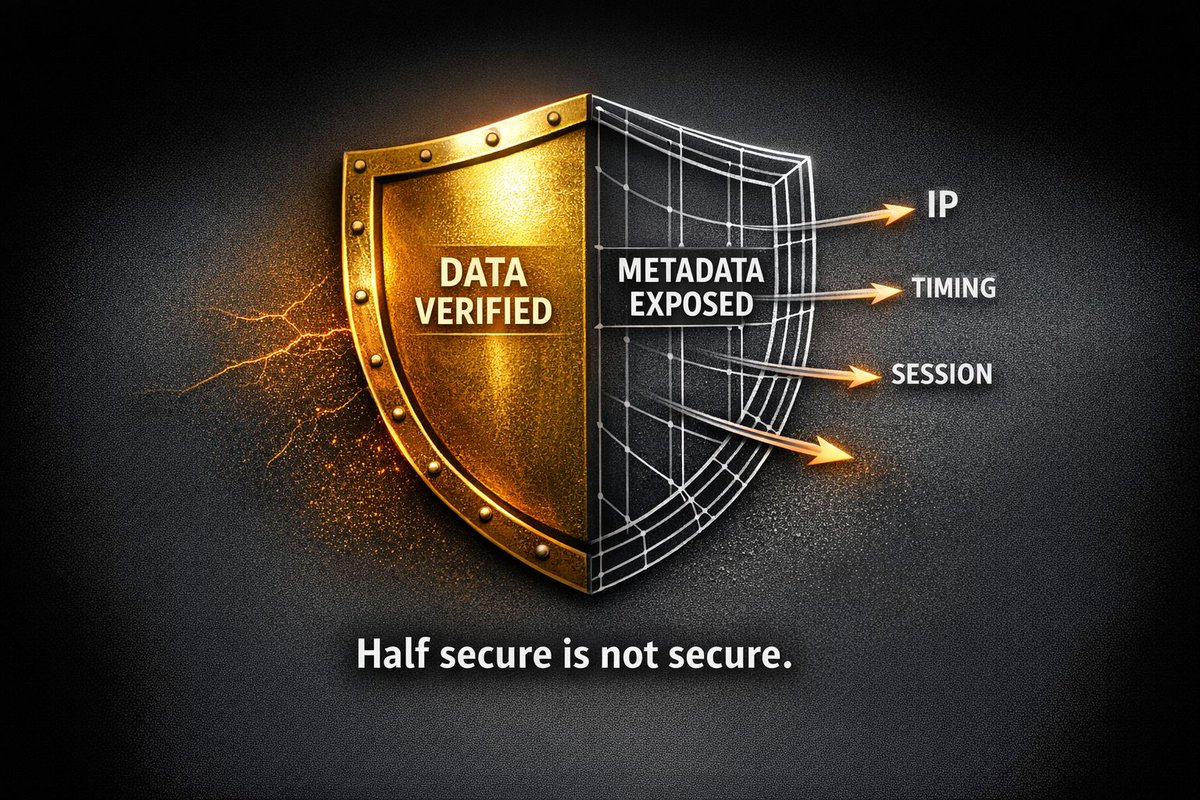
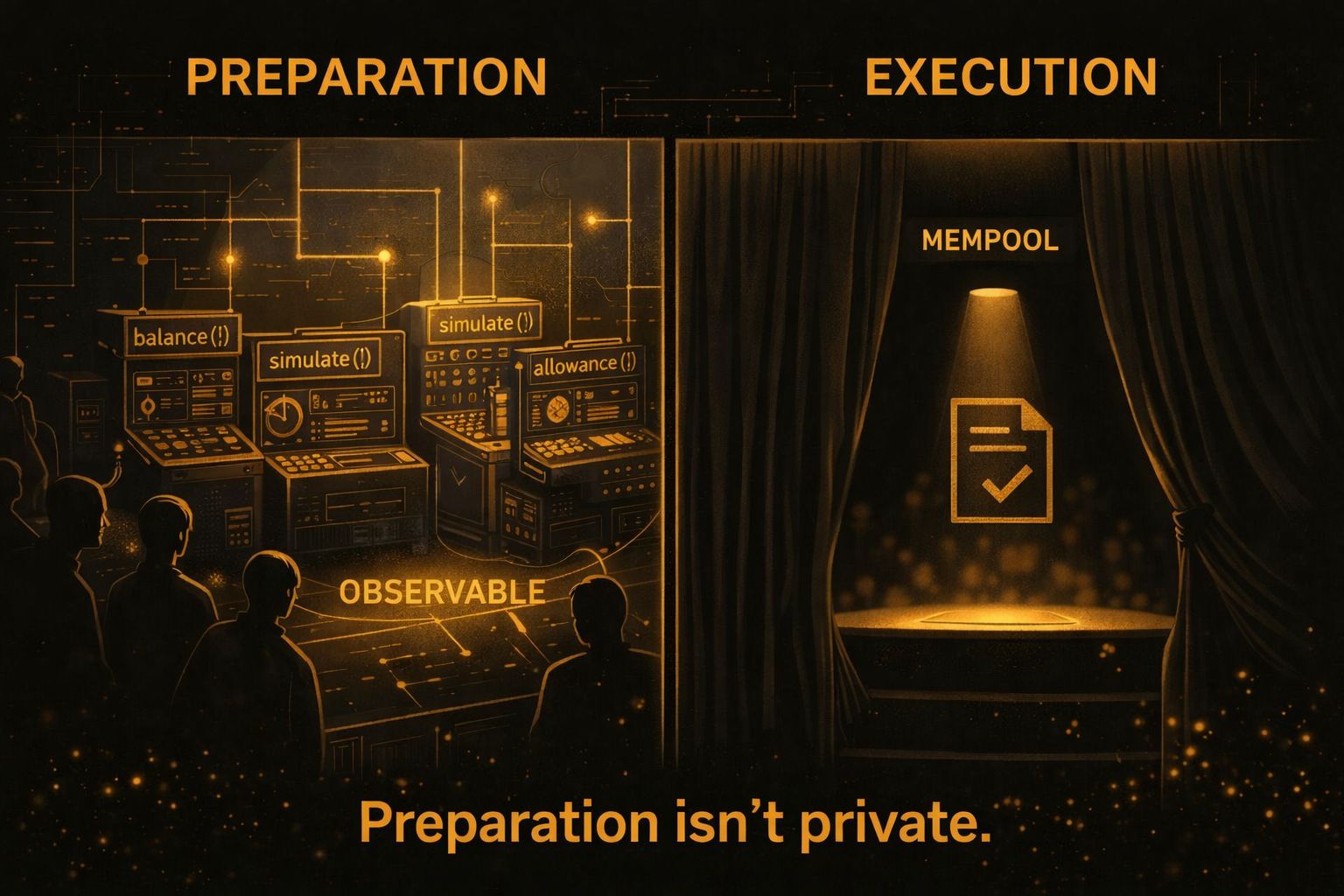
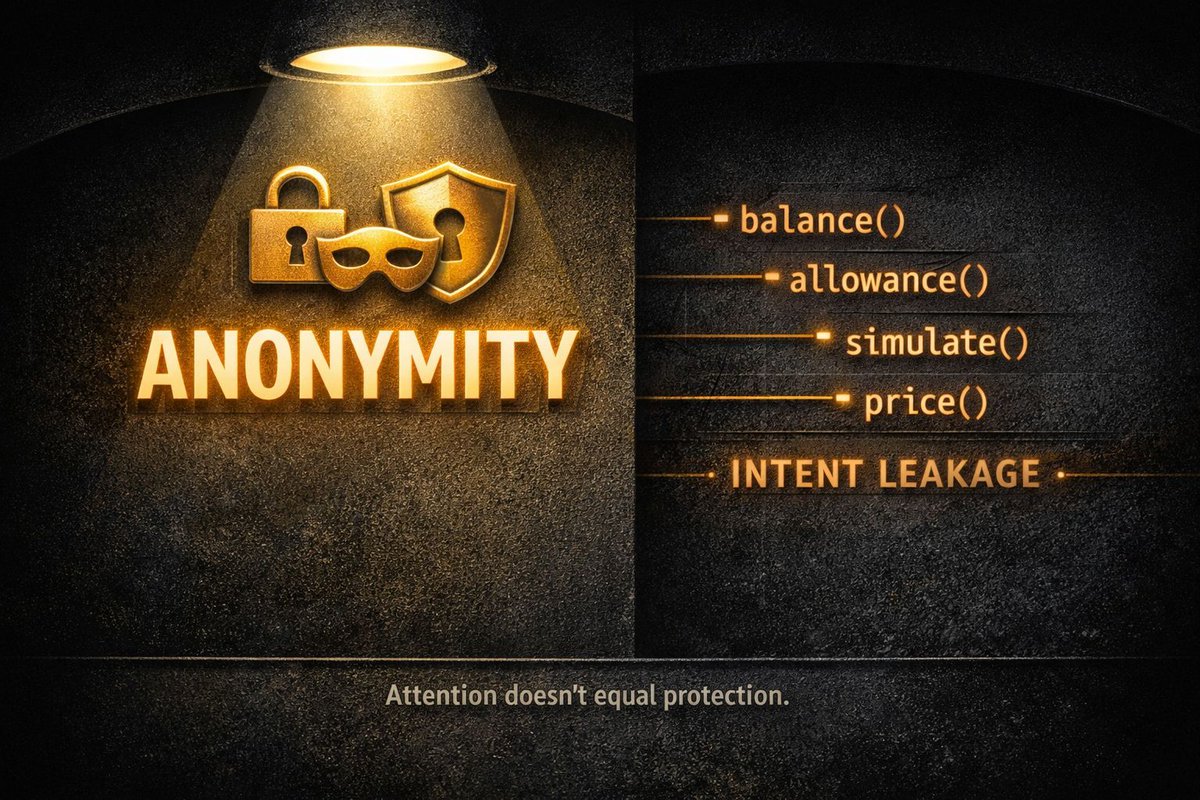
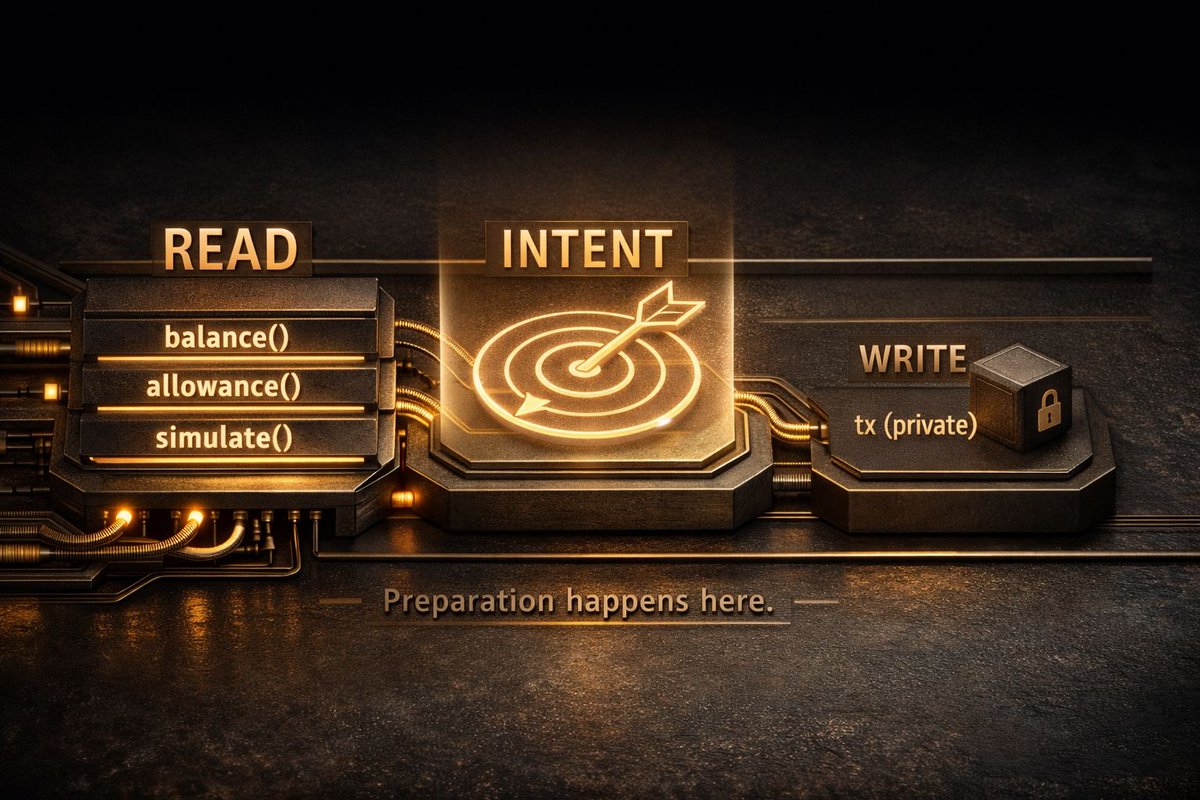
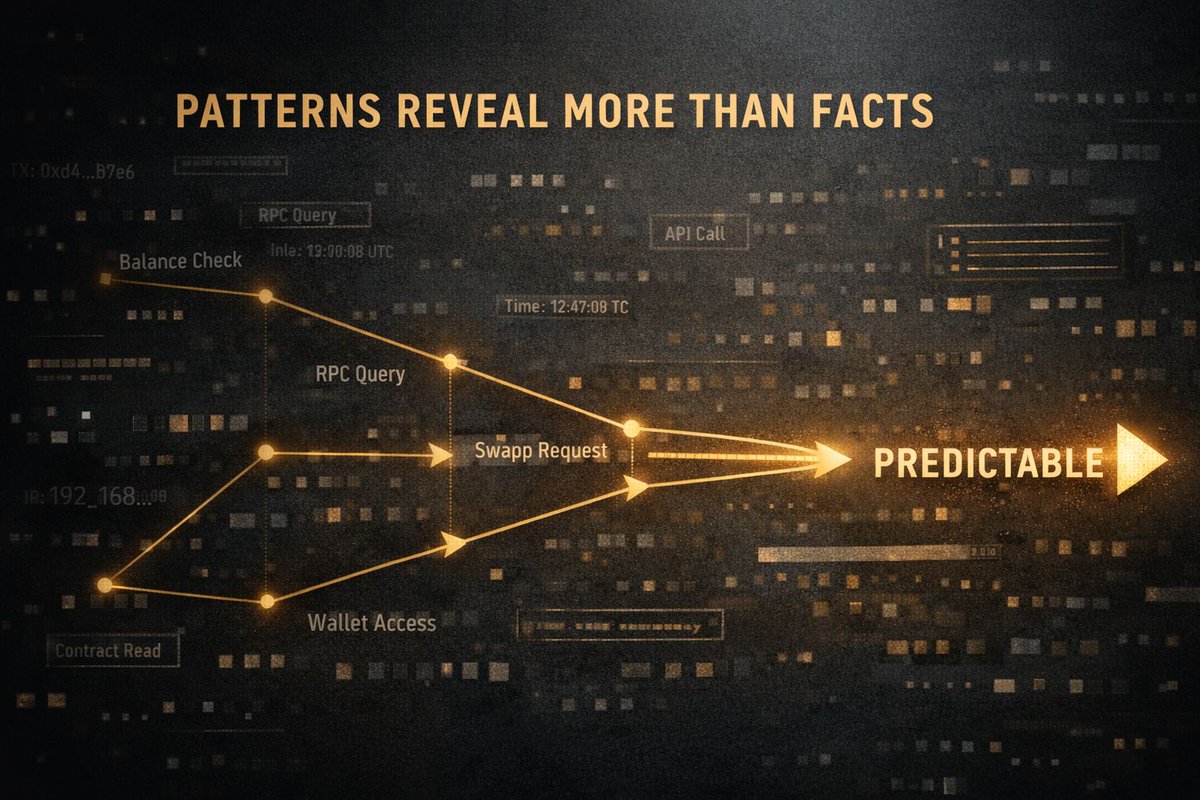
Read operations leak intent, balances, and patterns. PAP reduces metadata leakage, adapts exposure to context, and keeps access functional without oversharing.
PAP is a privacy model for Web3 reads; Colibri is the reference integration that combines cryptographic verification with adaptive privacy.
Context-aware data exposure
Privacy-preserving access without breaking UX
Ecosystem
Built with Colibri
Applications and protocols that use Colibri for trustless verification: from image authenticity and private wallets to local-first knowledge tools and verifiable data infrastructure.

ColiCam
Android (Google Play) · iOS coming soonTrust what you see.
The verification-first camera. Every image captured with ColiCam carries a cryptographic proof of its origin — device attestation, timestamp, and pixel-level hash — and is permanently registered onchain. Anyone can independently verify any image against the public registry. No servers, no intermediaries.
- Cryptographic proof generated at capture — not after the fact
- Onchain registration within seconds, immutable and publicly queryable
- Independent verification without trusting any server or third party
- Images never leave the device; only the proof is registered

Services
Our Services
We provide end-to-end services for building and deploying trustless blockchain infrastructure. From core technology development to consulting and maintenance, we help organizations embrace decentralized technologies for real-world applications.
25+
Years Experience
L1/L2
Network Support
ZK
Proof Technology
100%
Trustless
C
FOUNDER AND LEADERSHIP
Our Team

Jork Leonhardt
Co-Founder and Co-CEO


Steffen Kux
Co-Founder and Co-CEO

Simon Jentzsch
Co-Founder and CTO
OUR TECHNICAL ADVISORS AND PARTNERS
Our Advisors

Christoph Jentzsch
Co-Founder & CEO of beel (formerly tokenize.it)
Christoph Jentzsch is an entrepreneur and investor focused on advancing decentralized technologies. After contributing to Ethereum and co-founding Slock.it, where he initiated TheDAO, he dedicated his work to building open and self-sovereign Web3 infrastructures. Today, he leads beel (formerly tokenize.it) and is supporting the next generation of decentralized applications and startups.
Corpus Core Insights
Our Blog
Deep dives into Web3, blockchain technology, and the future of decentralized infrastructure.

release
Latest
colibri.stateless v3.0: Ready for Glamsterdam
colibri.stateless v3.0 brings Glamsterdam support to the stateless client: a new ZK consensus proof, new light-client anchoring and the Amsterdam EVM upgrade. Live on Sepolia, prepared for mainnet.
September 23, 2026
Read Article

iot
Blockchain Clients for IoT — Overcoming Resource Constraints (6 of 9)
IoT devices cannot run full nodes or keep light clients in sync. Stateless verification lets embedded systems verify blockchain data on demand — with proofs and freshness policies, without trusting a backend.
July 17, 2026
Read More

release
colibri.stateless v2.0.0: New Prover, PAP Reaches MVP
colibri.stateless v2.0.0 migrates to SP1 v6 for faster ZK consensus proofs, ships PAP MVP with C1 aggregation, and fixes sync, block tags, and eth_getLogs in production.
July 10, 2026
Read More

defi-security
The Code Was Fine. That's the Problem.
A post-mortem on the KelpDAO exploit — why trust-layer failures in cross-chain bridges need cryptographic verification, not just more validators.
June 4, 2026
Read More

multichain
Multi-Chain Apps & the Importance of Stateless Clients (5 of 9)
Multi-chain apps multiply RPC trust risks with every chain. Stateless clients verify data locally with cryptographic proofs — one client, one model, no persistent state.
May 13, 2026
Read More

ethereum
Pragmatic Adaptive Privacy (PAP)
If we are honest, privacy was not a primary design goal of Bitcoin and Ethereum, which have shaped most of today’s Web3 infrastructure.
February 6, 2026
Read More

decentralized-network
Understanding Blockchain Clients and Their Role in Decentralized Networks (1 of 9)
An introduction to blockchain clients — full nodes, light clients, remote RPC, and stateless clients — and their role in decentralized networks. Part 1 of 9.
January 23, 2026
Read More
From X
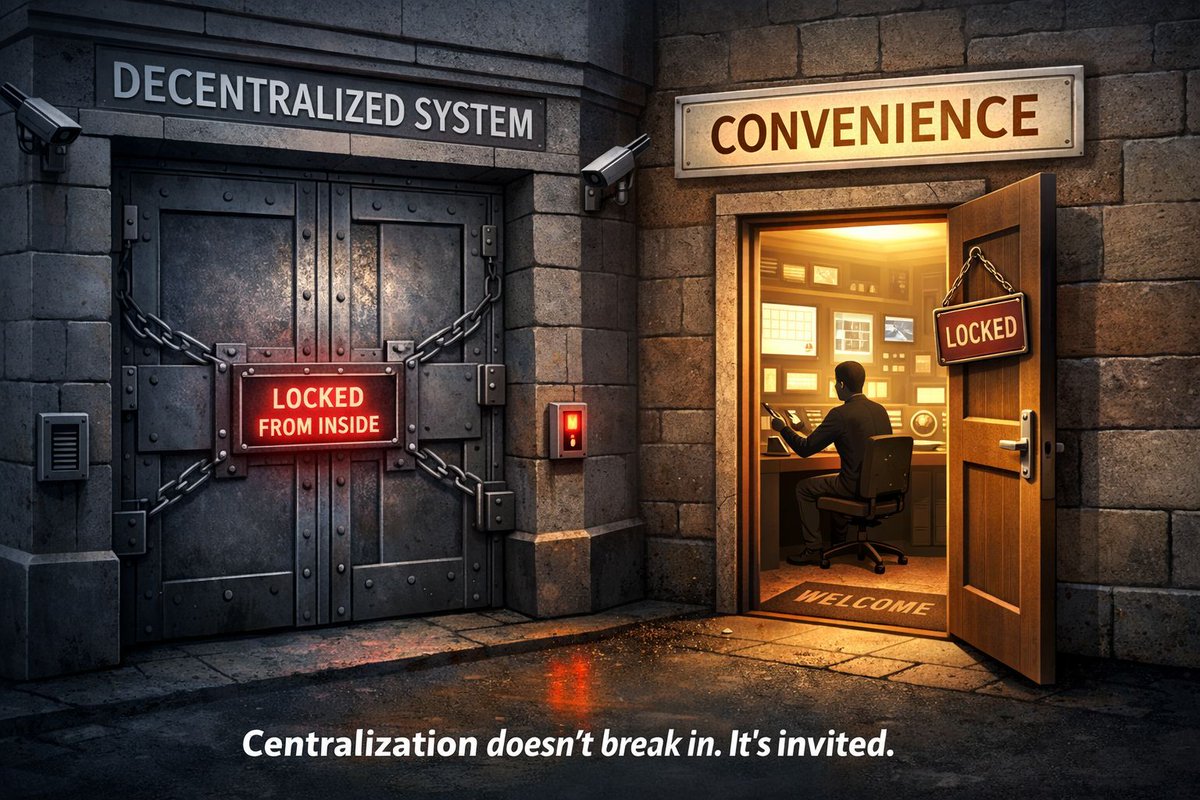
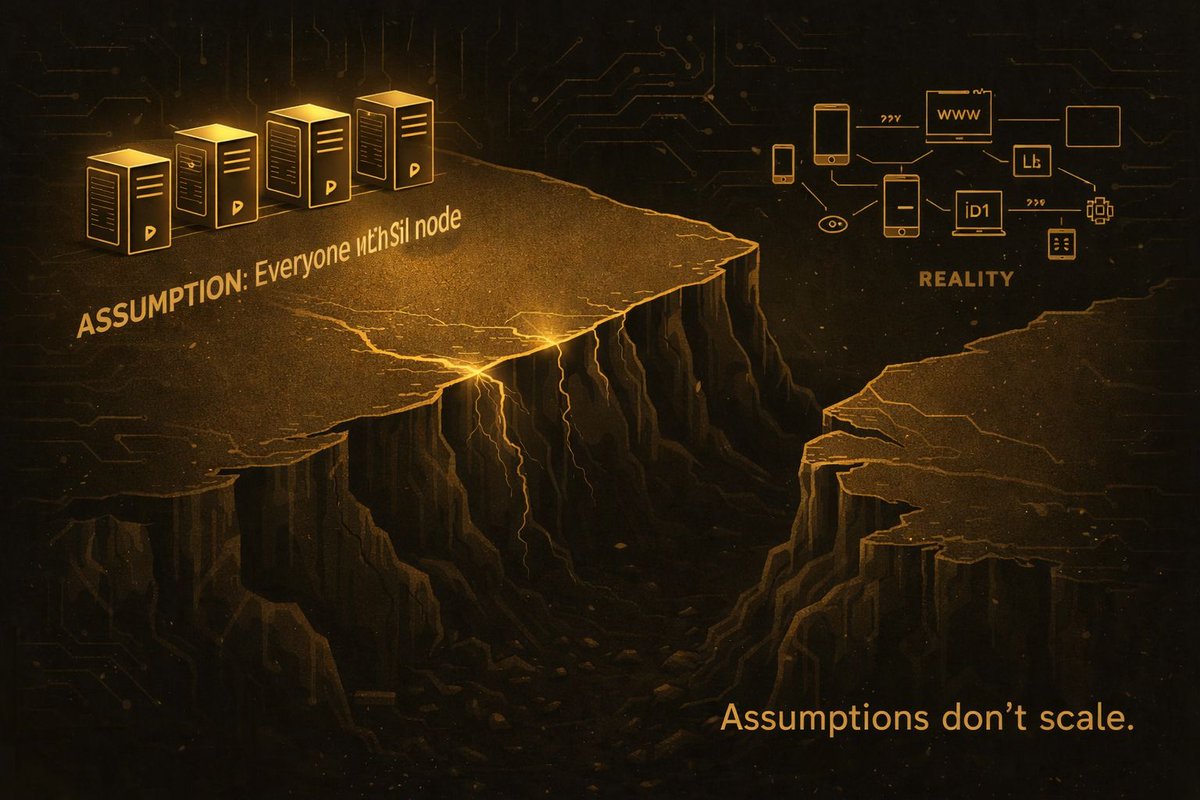
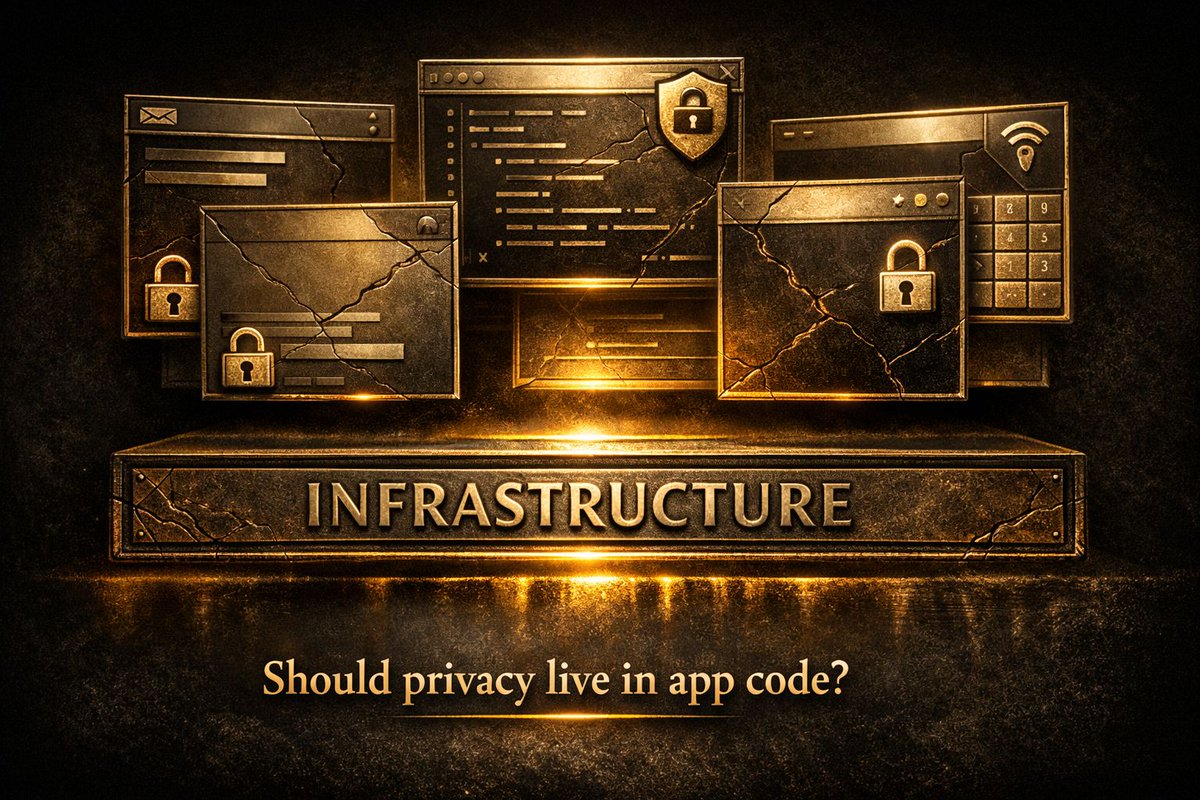
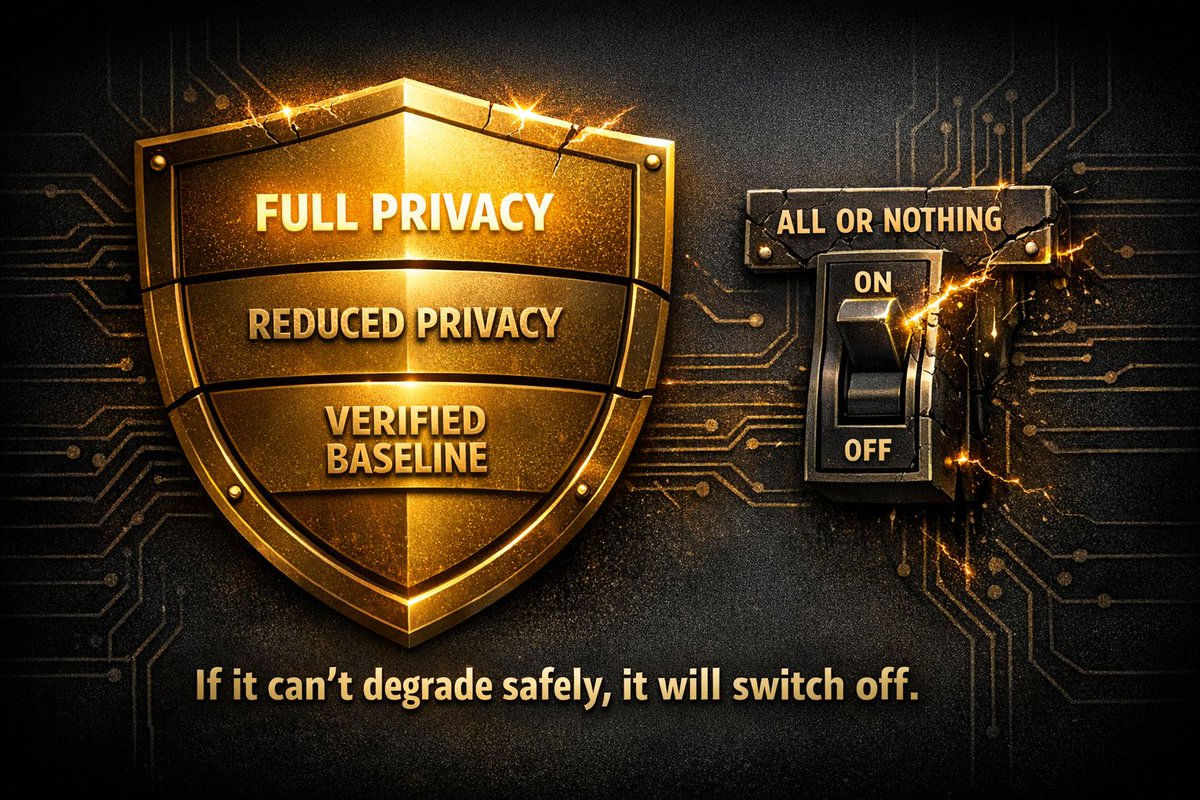
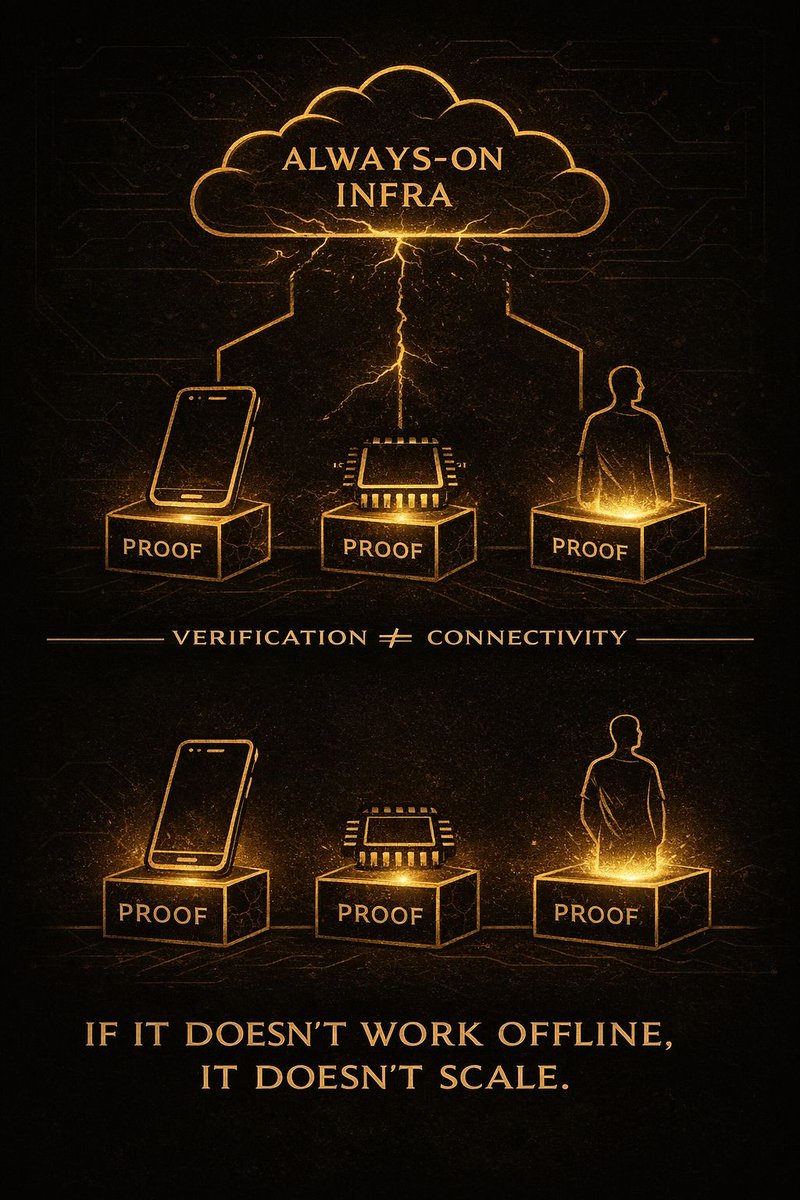
Daily Memes
Short takes from our feed — a new image most days. Tap the center card to enlarge.




FAQ
Frequently Asked Questions
Everything you need to know about Colibri and how it works.
Fundamentals4 questions
Fundamentals4 questions
What is Colibri?
What is Colibri?
Colibri is a stateless, fully verifying client for Ethereum and EVM-compatible chains. It enables applications to access and validate blockchain data locally using cryptographic proofs, without relying on trusted RPC providers.
Why is this important?
Why is this important?
Most blockchain applications rely on RPC endpoints for data access. These endpoints typically return unverified data, introducing trust assumptions and potential attack vectors. Colibri removes this dependency by making all data verifiable.
What does stateless mean?
What does stateless mean?
Colibri does not store or sync the full blockchain state. Instead, it verifies only the data it needs using cryptographic proofs. This enables operation in environments with limited bandwidth, storage, or compute.
How is this different from light clients?
How is this different from light clients?
Traditional light clients verify consensus but typically require ongoing sync or maintain partial state. They also rely on weak subjectivity assumptions (trusted checkpoints). Colibri is proof-driven and does not sync or maintain state: it verifies both consensus and execution data on demand using cryptographic proofs, anchored to a trusted checkpoint, enabling stateless operation.
Verification & Security19 questions
Verification & Security19 questions
How does Colibri verify data?
How does Colibri verify data?
Colibri combines consensus proofs (e.g., sync committee verification) to verify that a block belongs to the canonical chain and execution proofs (Patricia Merkle proofs) to validate accounts and storage. All verification happens locally within the application.
What are execution proofs and consensus proofs?
What are execution proofs and consensus proofs?
An execution proof (e.g., a Patricia Merkle proof) shows that a specific value, account, or transaction belongs to a given block's state. A consensus proof (e.g., sync committee verification, a zk-proof, or a chain of Merkle proofs) shows that the block is on the canonical chain when traced from a known checkpoint, including correct validator and committee transitions. Colibri verifies both locally before the application uses the data.
What trust remains if Colibri is trustless?
What trust remains if Colibri is trustless?
Colibri removes trust in RPC and prover endpoints for data correctness, but verification is anchored to a trusted checkpoint (a weak-subjectivity assumption, as with light clients). Social consensus and checkpoint updates define where that anchor comes from; everything after the checkpoint is proven cryptographically.
What if my trusted checkpoint is wrong or outdated?
What if my trusted checkpoint is wrong or outdated?
An incorrect or stale checkpoint can anchor verification to the wrong chain fork. Checkpoints must come from a reliable source and be updated according to your chain's weak-subjectivity guidance. This is separate from stale proofs at a valid height, which freshness policies address.
What is the difference between an RPC endpoint and a prover?
What is the difference between an RPC endpoint and a prover?
An RPC endpoint returns unverified JSON-RPC data. A prover generates the cryptographic proofs Colibri needs to verify that data locally. Colibri may still use RPC or beacon APIs as data sources, but it does not trust their answers without proofs.
What can a compromised RPC or prover server still do?
What can a compromised RPC or prover server still do?
A malicious endpoint cannot make Colibri accept false on-chain data if proofs are verified locally. It can still return incorrect values (verification fails because proofs will not match), return invalid or incomplete proofs (verification fails), return old but cryptographically valid data (addressed by freshness policy), or observe, delay, or censor requests (a privacy and availability concern, not a data-integrity issue when policies are enforced).
Can a malicious server provide matching proofs for false data?
Can a malicious server provide matching proofs for false data?
No. Colibri follows a request → proof → verify → use flow: data is not trusted from the server alone. Execution proofs tie values to a specific block; consensus proofs tie that block to the canonical chain from a trusted checkpoint. A compromised server cannot produce proofs that validate locally while contradicting the claimed state.
Does Colibri trust the server if responses are signed?
Does Colibri trust the server if responses are signed?
No. Signatures from an RPC or prover do not replace cryptographic verification. Trust is placed in the proof system and checkpoint policy, not in the endpoint that delivered the response.
Why isn't using multiple RPC providers enough?
Why isn't using multiple RPC providers enough?
Multiple RPCs can improve availability and reduce single-provider bias, but they still return unverified data. Without cryptographic proofs, there is no way to detect when all or a majority of endpoints lie or serve stale state. Colibri verifies each response locally instead of voting on unauthenticated answers.
How does Colibri handle stale but valid proofs?
How does Colibri handle stale but valid proofs?
Proofs can be valid yet refer to an old block. Applications should enforce a freshness policy, for example minimum block height, maximum block age (e.g., maxAgeSeconds), comparison against multiple sources where appropriate, and checkpoint or finality rules. For transactions, simulations on outdated state should not be accepted for signing decisions.
How do reorgs and finality relate to freshness?
How do reorgs and finality relate to freshness?
Freshness limits how old a block may be; finality limits how likely it is to be reorged. Prefer block tags such as safe or finalized over latest when you need stable state. A proof can be fresh at the latest head and still be reorged seconds later if finality rules are not applied.
Can Colibri verify historical data?
Can Colibri verify historical data?
Yes. Data for which valid execution proofs exist and that can be anchored to a verified block can be validated, including historical state and logs.
What happens if the data is invalid?
What happens if the data is invalid?
Invalid data is rejected locally. The application never operates on unverified or manipulated state.
What happens when verification fails?
What happens when verification fails?
Invalid or incomplete proofs are rejected locally. Depending on configuration, the application should stop the affected operation and report an error or at least a warning. The app does not proceed on unverified or manipulated state.
How does this improve wallet security?
How does this improve wallet security?
Transactions can be simulated against verified state before signing. This prevents signing malicious or misleading transactions.
How does verification work on Layer 2 chains like Optimism?
How does verification work on Layer 2 chains like Optimism?
On some L2s, full trustless verification may only be possible after data is anchored on L1, which can take 30+ minutes. For earlier reads, Colibri can use pre-proofs via a witness protocol: the user relies on the sequencer's signature for interim assurance. That is not fully trustless but removes trust in the RPC provider alone. Pre-proofs can also bridge chains that do not yet support full Colibri verification.
When should I use ZK consensus proofs vs classical committee replay?
When should I use ZK consensus proofs vs classical committee replay?
Both approaches prove that a block belongs to the canonical chain from a checkpoint. Classical replay verifies each sync committee transition step by step. A recursive ZK consensus proof compresses those transitions into one succinct proof with constant-time verification and the same security goal, which helps on resource-constrained devices or long spans since the last checkpoint.
Which chains support full verification vs pre-proofs only?
Which chains support full verification vs pre-proofs only?
Ethereum mainnet supports full verification for features covered by Colibri. Other EVM chains depend on available consensus and execution proof implementations. Some L2s use pre-proofs until L1 anchoring is available; chains without full support may rely on pre-proofs or witness-based assurance until proof coverage is complete.
What is vRPC and how does it fit Colibri?
What is vRPC and how does it fit Colibri?
vRPC is a drop-in style interface that returns blockchain data together with cryptographic proofs. It removes the need to trust a traditional RPC provider for correctness while remaining compatible with workflows that expect RPC-shaped responses. Applications verify responses locally with Colibri. Details: local, prover service, and vRPC modes are covered on the vRPC page (/vrpc).
Privacy4 questions
Privacy4 questions
What is PAP (Pragmatic Adaptive Privacy)?
What is PAP (Pragmatic Adaptive Privacy)?
PAP is a privacy model used with Colibri that minimizes data leakage. It adapts how data is requested and exposed depending on context, reducing the visibility of user behavior. Learn more at /pap.
Why is privacy relevant for blockchain reads?
Why is privacy relevant for blockchain reads?
Even read requests can leak sensitive information such as balances, behavior, or intent. PAP reduces this exposure while maintaining functionality.
Is privacy optional?
Is privacy optional?
Yes. Applications can configure how strictly PAP is applied depending on their requirements.
Can a compromised server see what I query even if data is verified?
Can a compromised server see what I query even if data is verified?
Yes. Even when all responses are verified, the server may see metadata such as addresses, contracts, and storage slots requested. That is a privacy and availability risk, not a data-integrity risk. Mitigations include PAP, multiple provers or vRPCs, Tor or mixnets, query broadening, or running a local prover where feasible.
Integration & Performance6 questions
Integration & Performance6 questions
Where can Colibri run?
Where can Colibri run?
Colibri can run in mobile applications, web applications, IoT devices, and backend services.
Do I need to run infrastructure?
Do I need to run infrastructure?
No mandatory infrastructure is required. Colibri runs directly inside applications; optional prover services can be used to improve performance and latency.
Can I run without trusting any third-party server?
Can I run without trusting any third-party server?
Colibri always verifies locally, so you do not need to trust a remote endpoint for data correctness. In practice, proofs and chain data are usually fetched over the network; running your own prover (and RPC or beacon access you control) reduces reliance on third parties for availability and metadata exposure.
Should I use multiple provers or RPCs?
Should I use multiple provers or RPCs?
Using more than one source improves availability, helps detect censorship or delays, and supports freshness checks by comparing block heights and ages. Verification still happens locally on each response; multiple endpoints do not replace proofs, but they reduce dependence on a single operator.
What are the resource requirements?
What are the resource requirements?
Colibri is optimized for low bandwidth and constrained environments (e.g., sub-MB binaries and low memory usage). It avoids the overhead of full node synchronization.
Does this increase latency?
Does this increase latency?
Verification introduces computational overhead (local CPU), while network access remains required. With precomputed proofs, round trips can be reduced and latency becomes predictable.
Use Cases2 questions
Use Cases2 questions
Who should use Colibri?
Who should use Colibri?
Wallets, dApps, IoT systems, AI agents, and multi-chain applications should use Colibri.
Why does this matter now?
Why does this matter now?
As Web3 adoption grows, relying on trusted infrastructure becomes a critical limitation. Applications require verifiable data to ensure correctness and security.
Differentiation2 questions
Differentiation2 questions
How is Colibri different from other solutions?
How is Colibri different from other solutions?
Colibri combines stateless architecture, full verification (consensus + execution), and a privacy model (PAP). Other solutions typically address subsets of these aspects or do not combine them in a single client.
Is this production-ready?
Is this production-ready?
Yes for Ethereum mainnet features covered by Colibri. Trustless data access is already achievable without protocol changes; support for additional chains depends on available proof implementations.
Contact
Contact Us
Interested in working with us or learning more about our technology? Reach out to explore collaborations, partnerships, or opportunities to build with decentralized infrastructure.
Location
Mittweida, Germany
contact@corpuscore.tech
Response Time
Within 24-48 hours

Mittweida, Germany